Flower Preparation

If you want to produce long lasting designs then you have to ensure that you flowers are properly prepared for the job. Poorly conditioned flowers look miserable limp and will be dead within a couple of days – the last thing you want particularly if you are creating an arrangement for someone else.
Generally how you condition a flower depends on the type of stem it has. They can be woody, hollow, soft, firm, bulbous and latex producing. Flower/plant food is available at all florist wholesalers or good high street florist and should be placed in the water for added conditioning. And always make sure that when you are conditioning flowers the bucket you place them in is clean.
Woody Stems
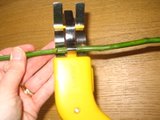
Examples include: roses, pittosporum, lilac, azalea, virburnum, rhododendron and eucalyptus.Stems should always be cut at an angle. Don’t cut them straight as this forces the stem to rest on the bottom of the container and restricts water intake. The stem end should be split about a centremetre. Remove all lower foliage which would lie below the water line and place in warm water.Semi-woody stems include chrysanthemums, carnations and lilies. Again cut the stems at an angle, remove all lower foliage and place in warm water.

Hollow Stems
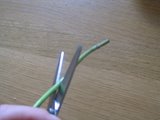
Examples include: delphiniums, gerbera, lupins and alliumsHollow stem flowers are well known for forming air locks when the stem is cut. Cut stems at an angle; remove lower leaves before turning the stems upside down and filling with cool water. Plug the stem with cotton wool then place in water.
Soft Stems
Examples include: freesia, anemones, and hellebore.Stems should be cut at an angle and all lower foliage removed. Immerse flowers in water up to their necks overnight.Firm Stems
Examples include: hydrangeas, some rosesCut stems at an angle, remove all lower leaves and immerse in warm water overnight.Bulbous Stems
Examples include: daffodils, tulips, hyacinths etcSince most of these flowers are pulled from the plant and not cut you should cut off the end of the stem which is white and firm and does not allow the uptake of water. Condition in cool tepid water unless you want the flower heads to open whereby you should immerse in warm water.Latex Producing Stems
Examples include: poppies, euphorbiaWhen cut, the stems of these flowers produce a milky substance known as latex. This is poisonous to other flowers sharing the same water and can also be an irritant to human skin. The stem ends should be cut (wear gloves), lower foliage removed and then the stem end should be quickly passed through a flame to seal it. Place immediately into tepid water.Conditioning for More Popular Flowers and Foliage
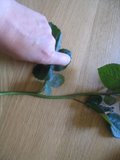
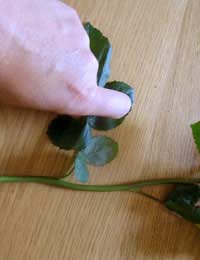
- Roses: always remove the thorns taking care not to damage the stem as this can allow bacteria to get it. Remove all lower leaves and recut the stem at an angle before placing the rose in warm water. TIP. If the flower has wilted and drooped, cut the stem again and place in boiling water for a second or two before putting it back in the cool water, this allows a quick flow of water to the head.
- Carnations: only ever cut the stem between the nodes because the flower won’t take any water if cut on the node.
- Lilies: always handle with care as these flowers are actually quite delicate and bruise easily. Best kept in the cool to slow down growing and always remove stamen to prevent the pollen from dropping.
- Gerbera: these have a tendency to go limp very easily so recut the stems and place in water immediately. Tip place wire netting across bucket full o water and place the gerbera through the netting stem down in to the water. This will encourage the stems to straighten.
- Ranunculus: although a fabulous looking flower they do have a tendency to go limp so cut the stems then wrap in tissue paper before placing in water.
- Chrysanthemums: although long lasting you should always take care to remove the lower leaves on the stem as they can wilt =badly and grow smelly bacteria below the water line. Again cut the stems.
- Lilac, rhododendron, azalea: remove all foliage as this prevents enough water fro reaching the flower
- Tulips: cut stems and wrap them in newspaper to keep them upright while in water
- Shiny foliage: always wash to remove dirt and use glycerine to enhance the shineYoung foliage: don’t use as it is difficult to condition and is very week
- Leaves: single leaves can be completely immersed in cool water
- Grey foliage: don’t immerse fully as the water gets absorbed by the grey colour and hence it loses its colour

Re: Using Floral Foam
Hi im making wreaths and centre pieces using wet foam...my problem is that the foam still drips when I've done my arrangement...is it best to…
Re: Create Longer Lasting Floral Displays
Hi All! Do Alstroemerias last in an oasis arrangement? Please advise. Many thanks and sunny greetings Kris
Re: Create Longer Lasting Floral Displays
Hi I am doing an underwater display with silk red roses covering all roses with the water adding wax chystals on the…
Re: Create Longer Lasting Floral Displays
How many chrysants do I need for a DAD tribute when purchasing 20 stems per bunch. Thanks Treez
Re: Create Longer Lasting Floral Displays
I was wondering if I could make my arrangement with floral foam self watering by adding cotton string to a reservoir…
Re: Create Longer Lasting Floral Displays
Hi I am making son and brother funeral flowers using chrysanthemums the funeral is on a Friday will it be OK to make…
Re: Create Longer Lasting Floral Displays
I have heard that England was going to bane oasis and had a new black oasis that was more environment safe. Do you…
Re: Create Longer Lasting Floral Displays
I heard there is new oasis that's black and better for the environment. Can't seem to find it. Can you help?
Re: Creating a Victorian Posy
Hi, carrying out a little research, on Posies, due to the book I am writing concerning a Victorian Gent of the 1800's. Yes he had…
Re: Create Longer Lasting Floral Displays
Hi i haven’t done any funeral wreaths before, but wanted to do the DAD letters, as my dads just died. I have watched…